

Why You Can’t Sit Through a Movie Anymore
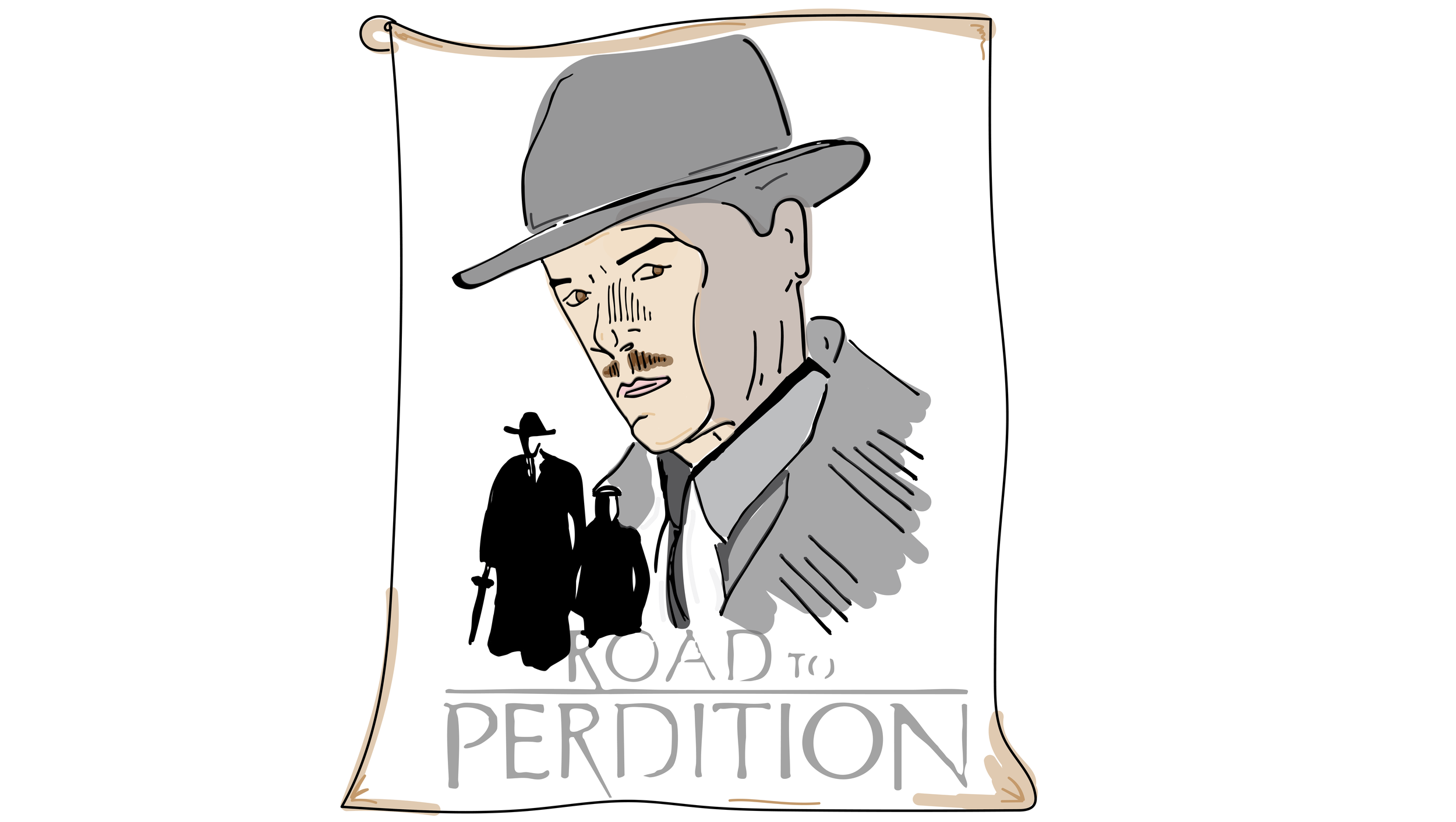
Last night, I watched Road to Perdition, a film I last saw in the movie theaters 25 years ago.
I didn’t remember it being a particular remarkable film. But seeing it again, I was transfixed. I sat there and watched the movie from beginning to end without checking my phone.
Set in 1930s Chicago, the story is centered on a boy and his father (played by Tom Hanks) who go on a road trip to flee the crazed son of the father’s gangster employer (Paul Newman in his final role). While it features some thrilling chase scenes, the movie is at heart a touching elegy to the father/son relationship.
What really struck me (other than how absorbed I was by it) is how utterly incapable Hollywood would be at making this film today.
The original Road to Perdition did not feature a single person of color on screen for the entirety of the movie – and rightly so. The movie is about Irish bootlegging gangsters and takes place in Chicago in the 1930s which was 98% white at the time.
You can’t do this today. Even a movie set in 1500s France must have some forced racial diversity to appease Hollywood’s quota system. A remake of Perdition today would invariably have Tom Hank’s wife played by Priyanka Chopra and Al Capone played by Michael B Jordan - if you want evidence of this look at every classic Disney remake since 2015 (Beauty and the Beast, Snow White).
Perdition did not moralize about the violent lives that these men led – it took that violence as a matter of fact. A remake today would twist the violence into a sermon on the evils of male toxicity and the patriarchy.
The original did not have a single gay or trans character. A contemporary remake would have to affirm the existence of gay and trans people.
Hollywood movies today feel more like IBM Corporate Training videos than genuine works of art. They have perfectly diverse casts, highly calibrated to appease the right political sensibilities and are completely forgettable. They might get the nod of approval from the HR lady, but less and less so by normal Americans.
In 2002, Americans went to 5 movies a year and now it is down to less than 2. The industry quickly explains that by pointing to streaming.
But the reality is that Americans have genuinely stopped caring about movies and Hollywood itself – regardless of the distribution platform.
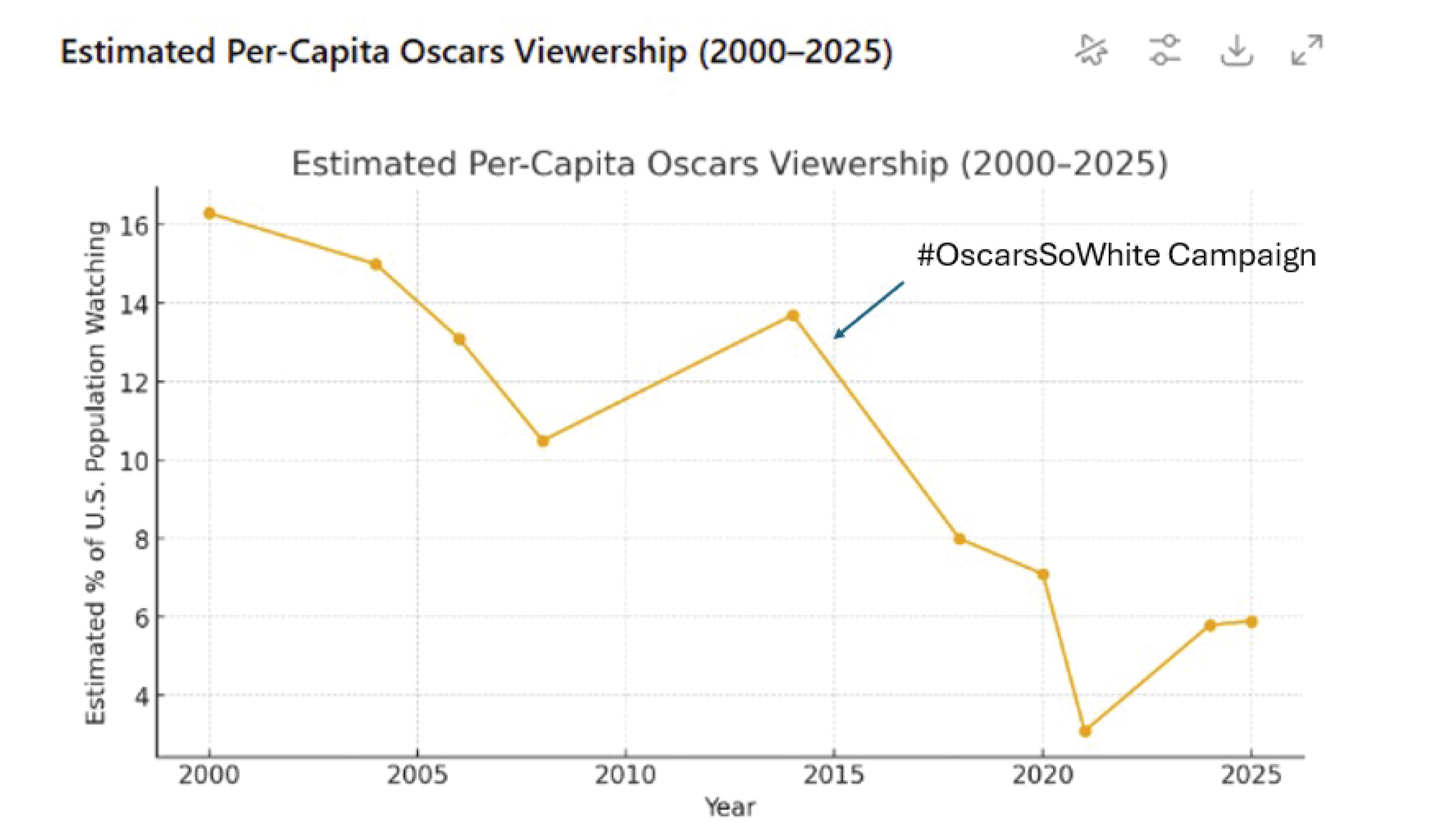
Look at the viewership of Hollywood’s biggest night of the year – the Oscars.
Since the #OscarsSoWhite campaign of 2015 – a viral campaign that set off the current era of woke casting and overly politicized themes that only accelerated during the pandemic – interest in this live event has plummeted.
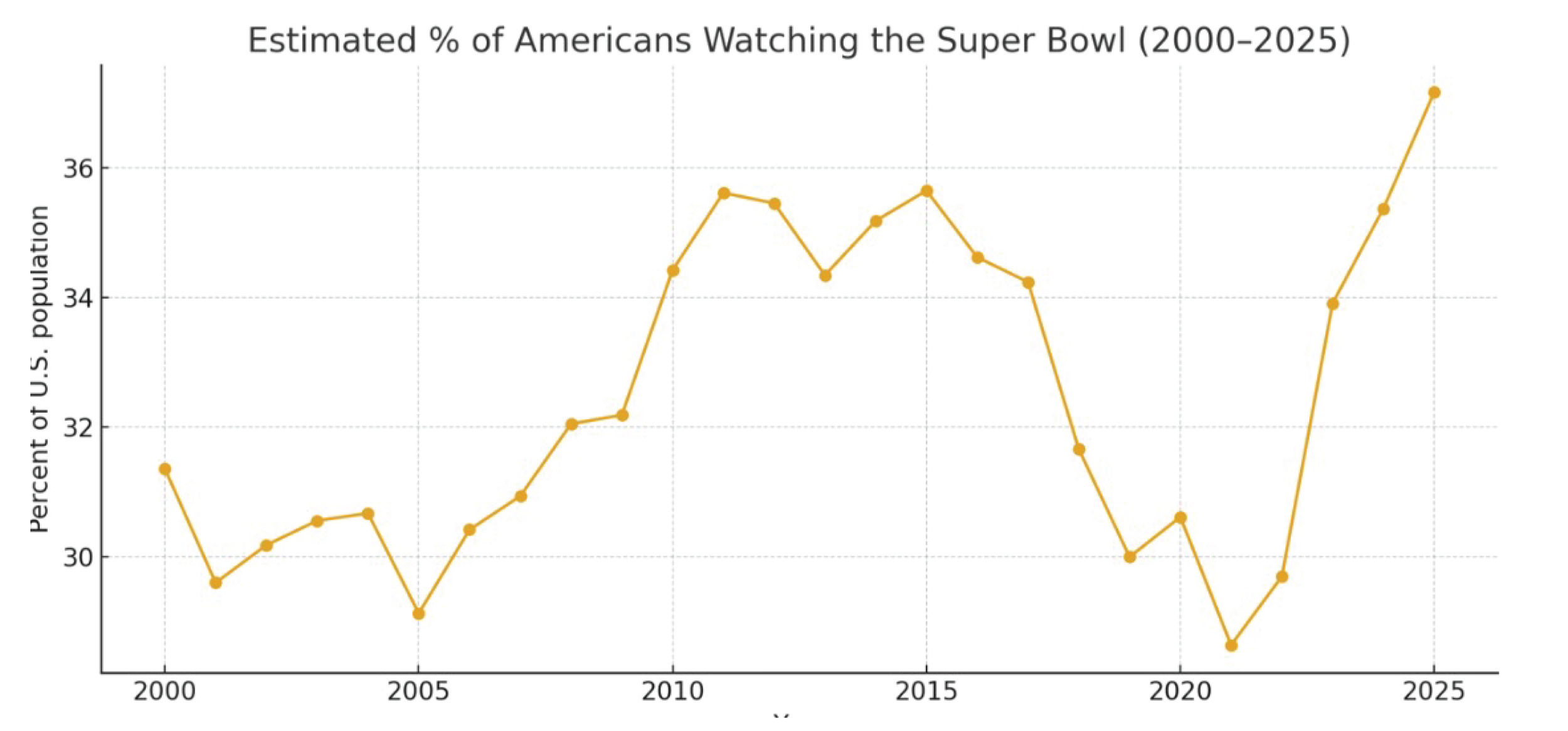
Again, this isn’t because of streaming - Americans love live events and viewership of the Super Bowl has never been higher.
Americans also still love stars, but today’s stars are not coming from Hollywood.
People like Joe Rogan, Tucker Carlson and Jordan Peterson can fill arenas and command much higher celebrity power today than young leads like Florence Pugh and Michael B Jordan. These personalities were formed entirely outside of the Hollywood ecosystem.
Poll a random young male and he will know Andrew Tate but not Miles Teller.
Vanity Fair recently did a cover shoot of young Hollywood actors – the young stars who are supposed to replace the decaying old guard of Tom Cruise, Johnny Depp, George Clooney and Will Smith.
Can you name even two of them?
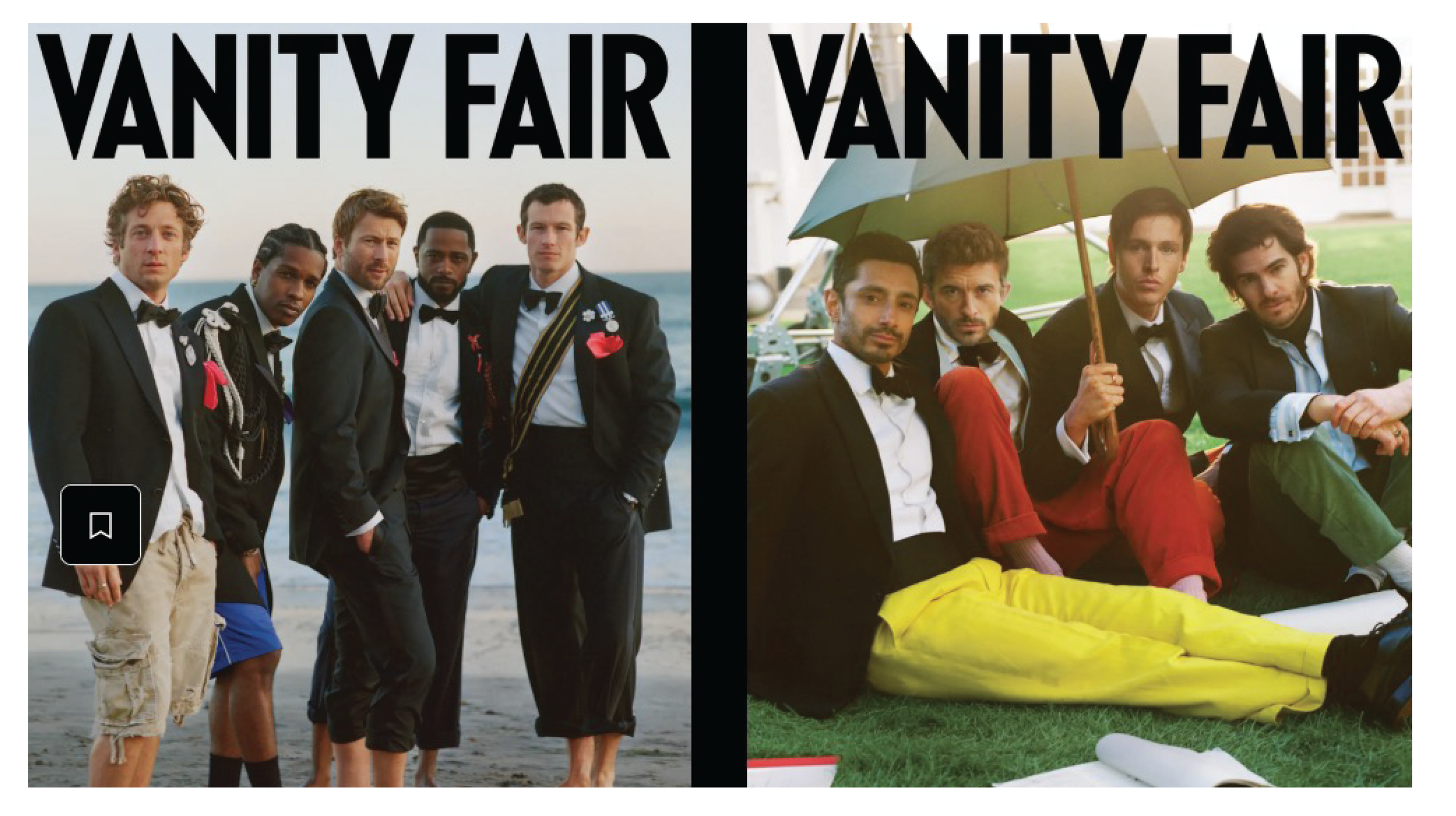
The only movie stars that exist today are the old ones and they will become increasingly obsolete with no new models to replace them. Back in the day, people used to go see a “Tom Hanks film” – there is no young actor who can pull that off.
If Hollywood wants to anchor a stand-alone film that has no IP/franchise, it has to turn to the old guard – a 61-year-old Brad Pitt had to play a race car driver for F1 to work.
While F1 was one of the few box office successes of this past year and I went to the movie theater to see it – it still had the predictable DEI casting choices and plot twists – and in the end I was on my iPhone part way through watching YouTube videos. I didn’t stay till the end.
A very different experience than watching Road to Perdition.